
We at STIP Steels strive to deliver grade-assured steel through stringent norms, documented controls, and the resources our teams need to get it right — every time.
Total Quality Management guides how we meet and satisfy customer requirements across the full chain of internal and external customers and suppliers.
Our approach centers on participation at every level — aiming for long-term success through customer satisfaction and benefits to our people, partners, and society.
BIS-licensed structural steel and reinforcement products meeting national standards.
Quality management system certified by DNV for consistent processes and documentation.
Committed to environment-friendly production and responsible resource consumption.
TQM is the mutual co-operation of everyone in an organization and associated business processes to produce products which meet the needs and expectations of customers. Total quality management is both a philosophy and a set of guiding principles for managing an organization efficiently.
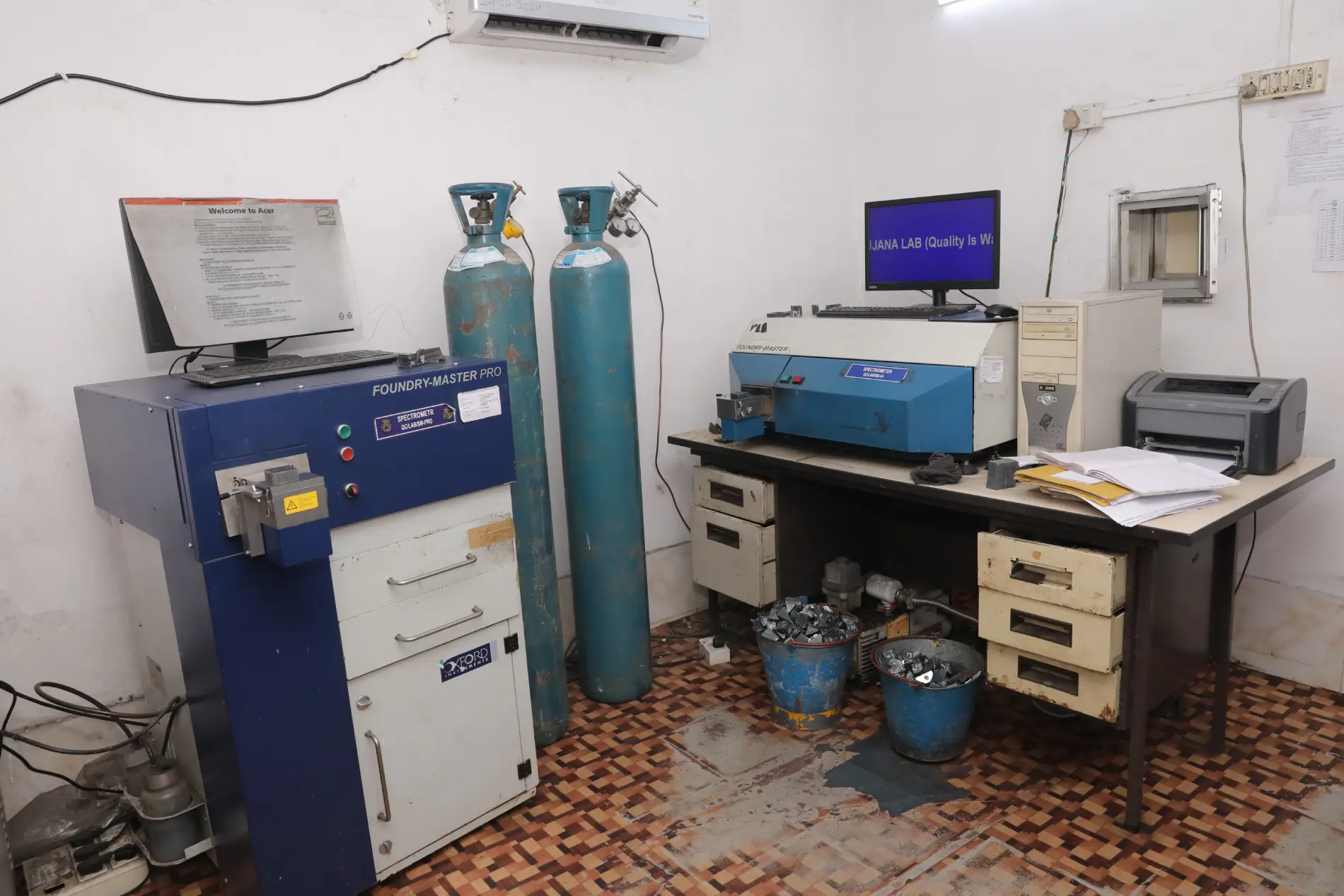
The most basic approach to quality inspection is detection and correction of errors. The next level — quality control — inspects, investigates and finds causes of errors. Quality assurance sets standards with documentation and methods of checking against specified standards.
We aim at achieving an agreed consistent level of quality — first by testing and inspection, then by rigid conformance to standards and procedures, and finally by efforts to eliminate the causes of error.
Every team member contributes to quality outcomes — from raw material intake to final dispatch — with documented processes, training, and continuous improvement cycles.
We execute with precision, carefully managing timelines, quality, and safety standards to ensure smooth delivery that consistently exceeds expectations.
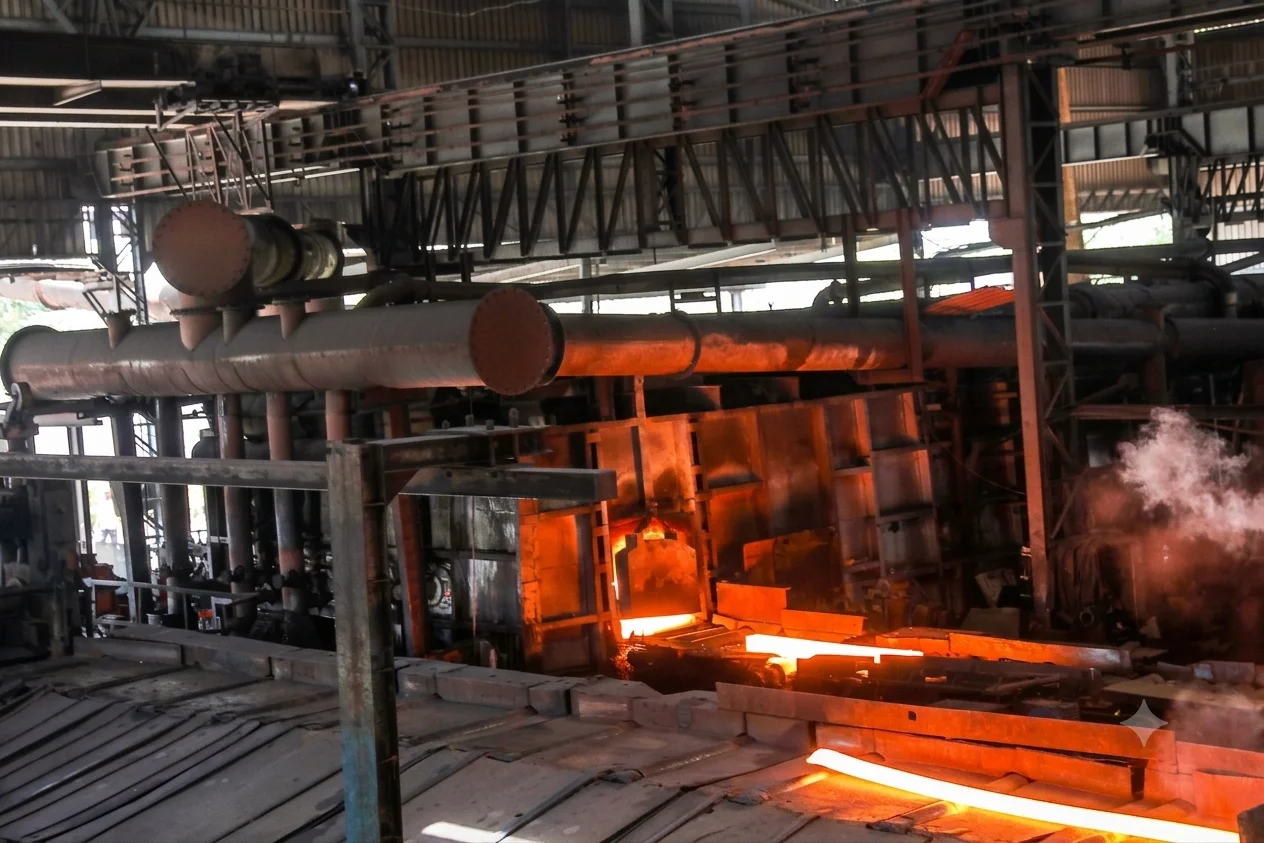
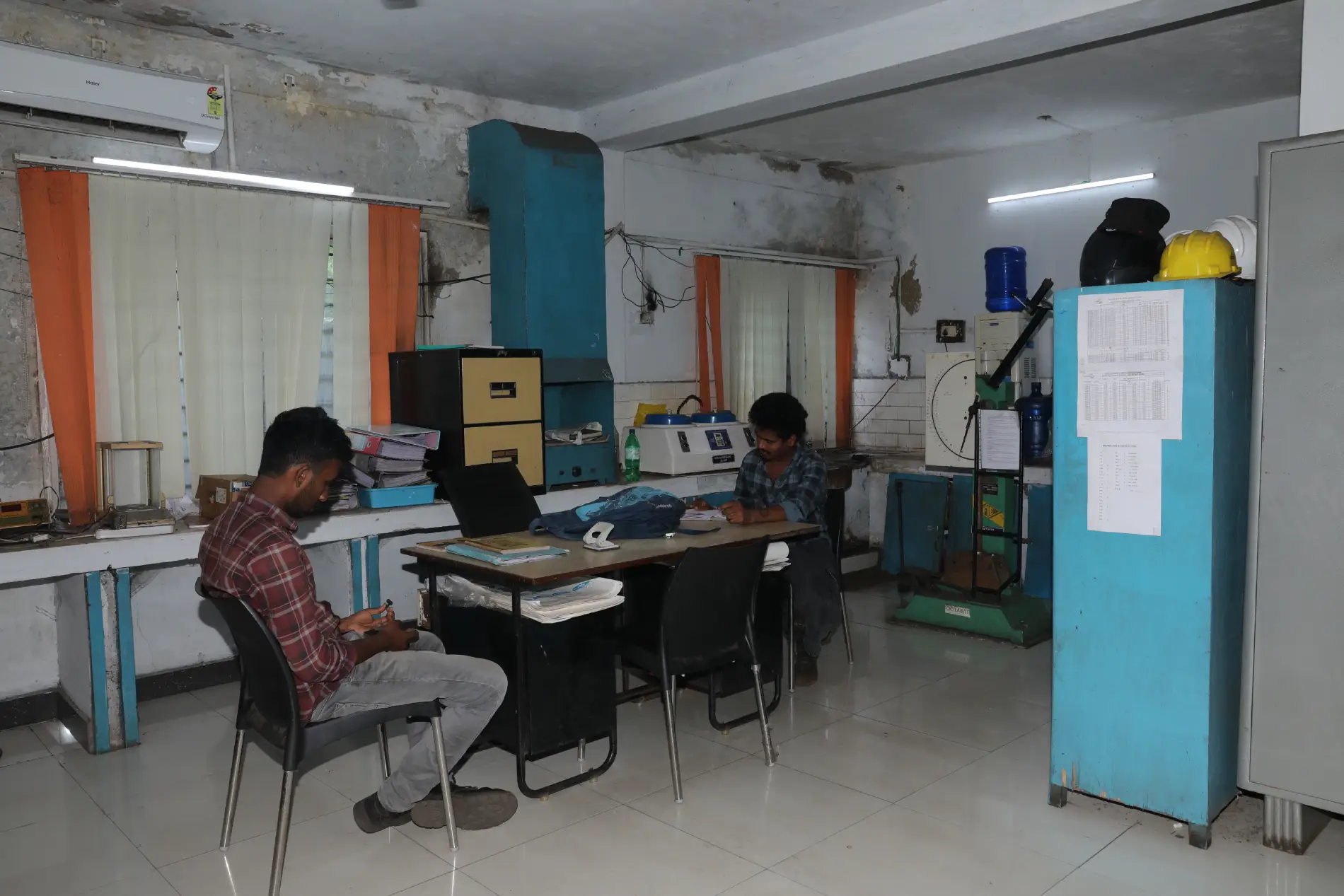
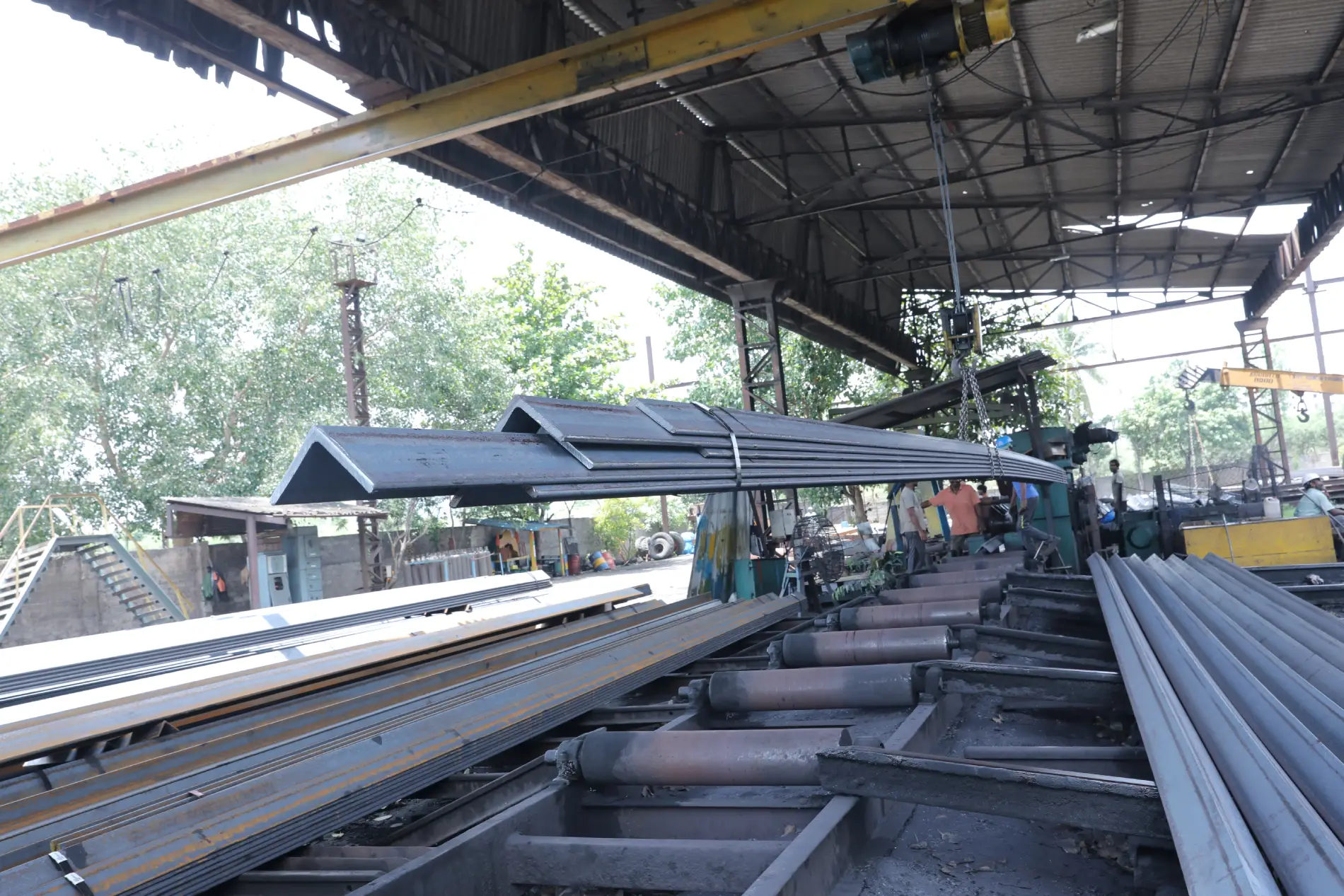
SSPL is committed to maintaining the highest standards in manufacturing, quality management, and workplace safety.
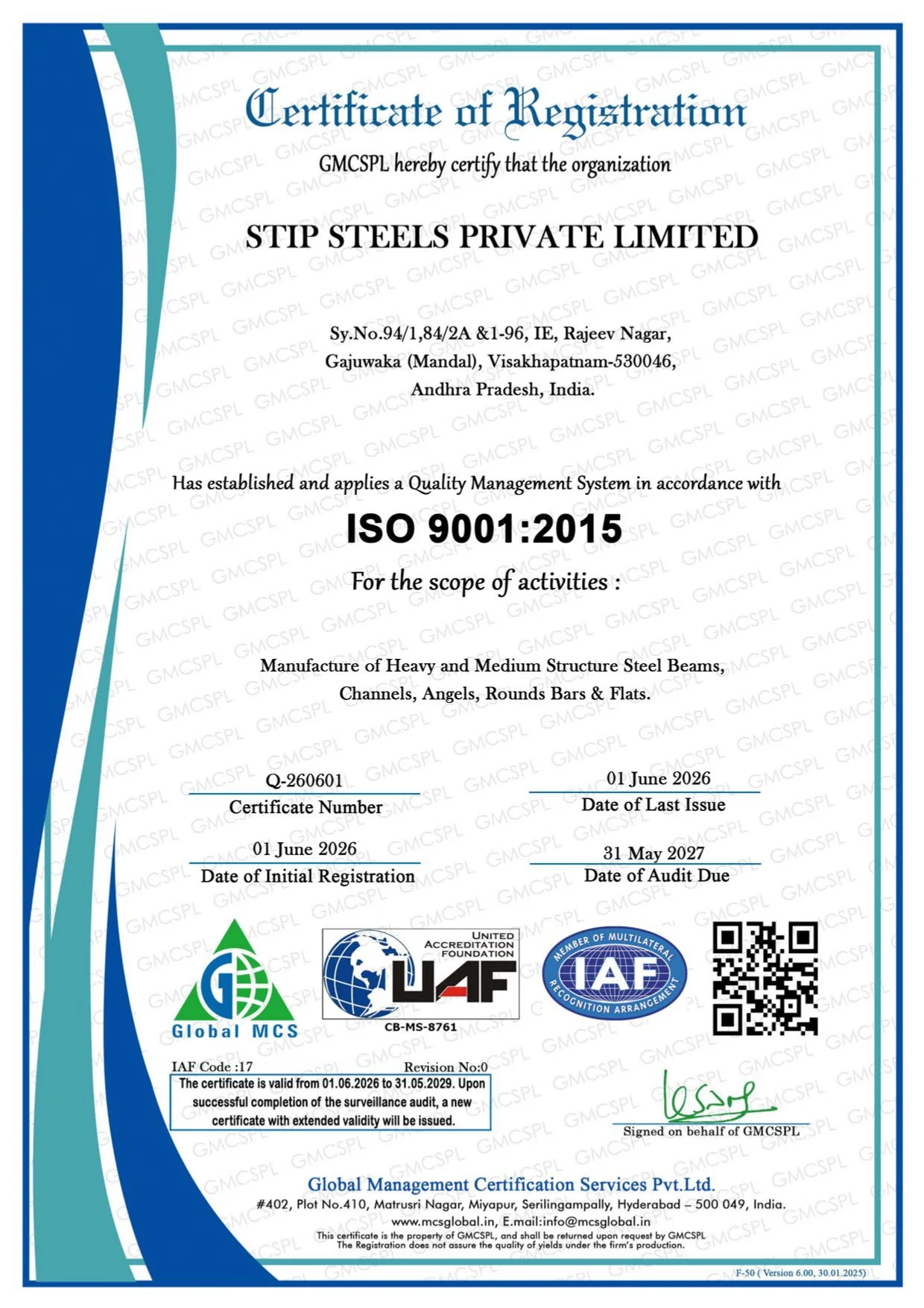
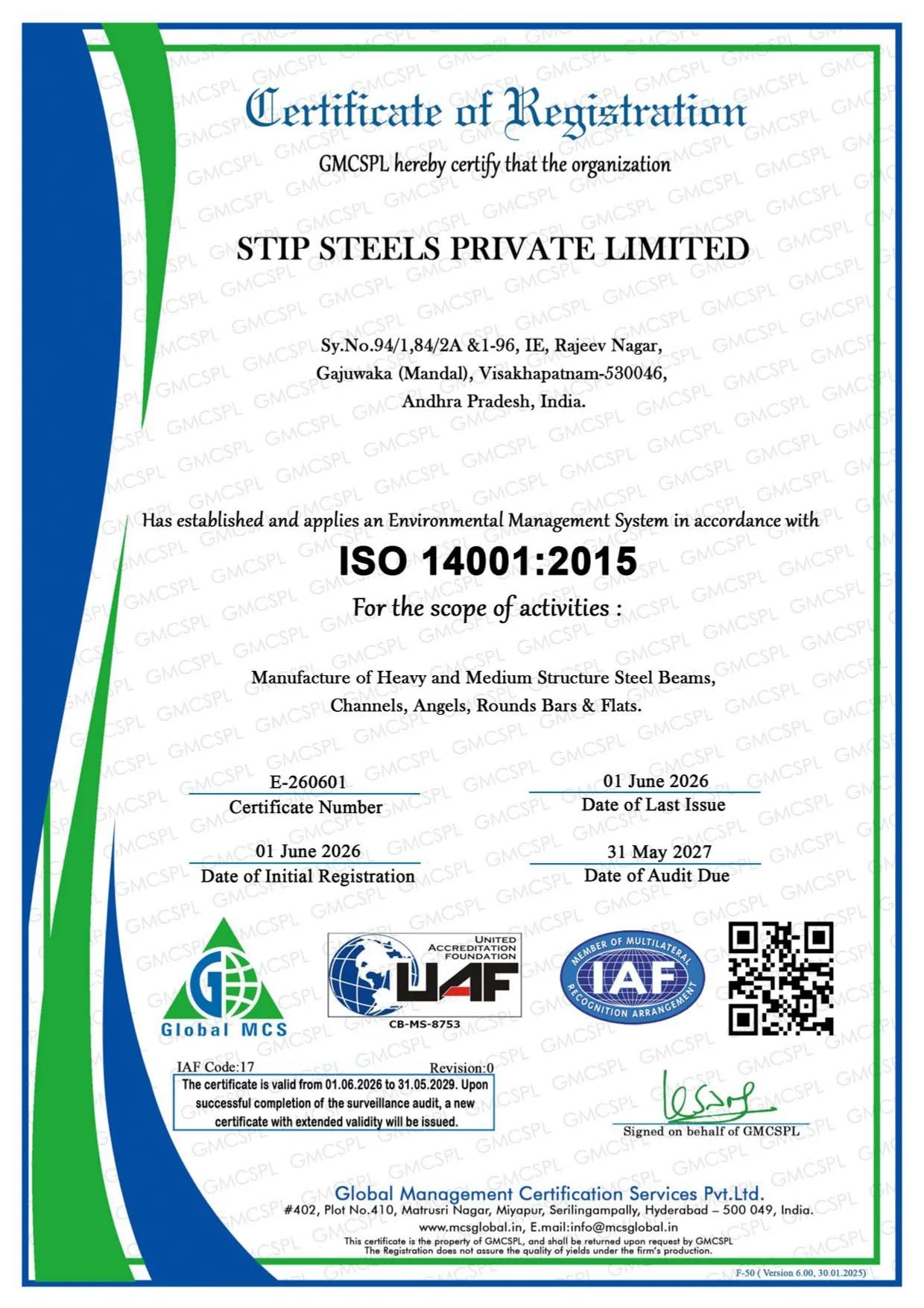
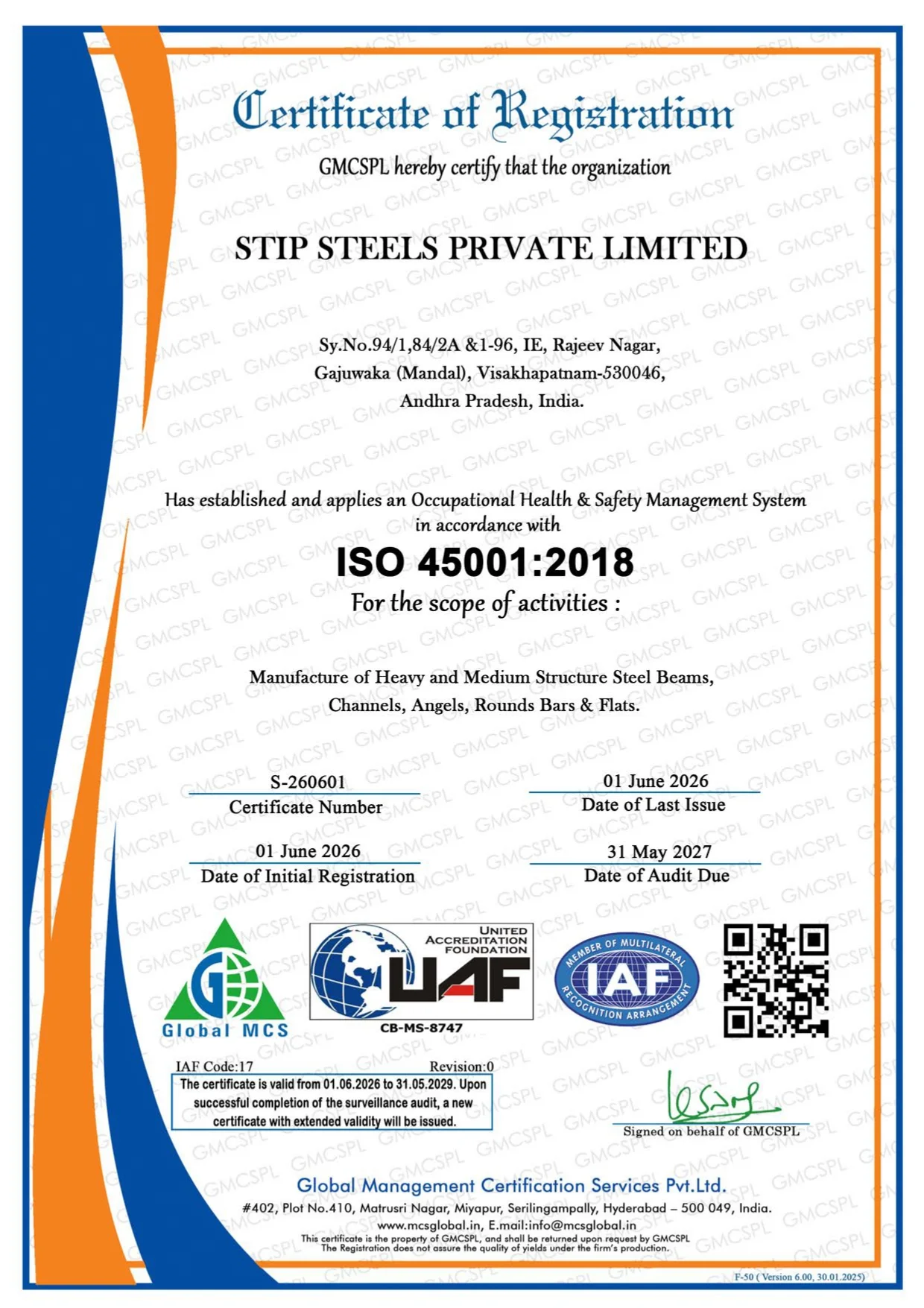
Structured checks at every stage — from material testing to logistics — so your project receives steel you can trust.
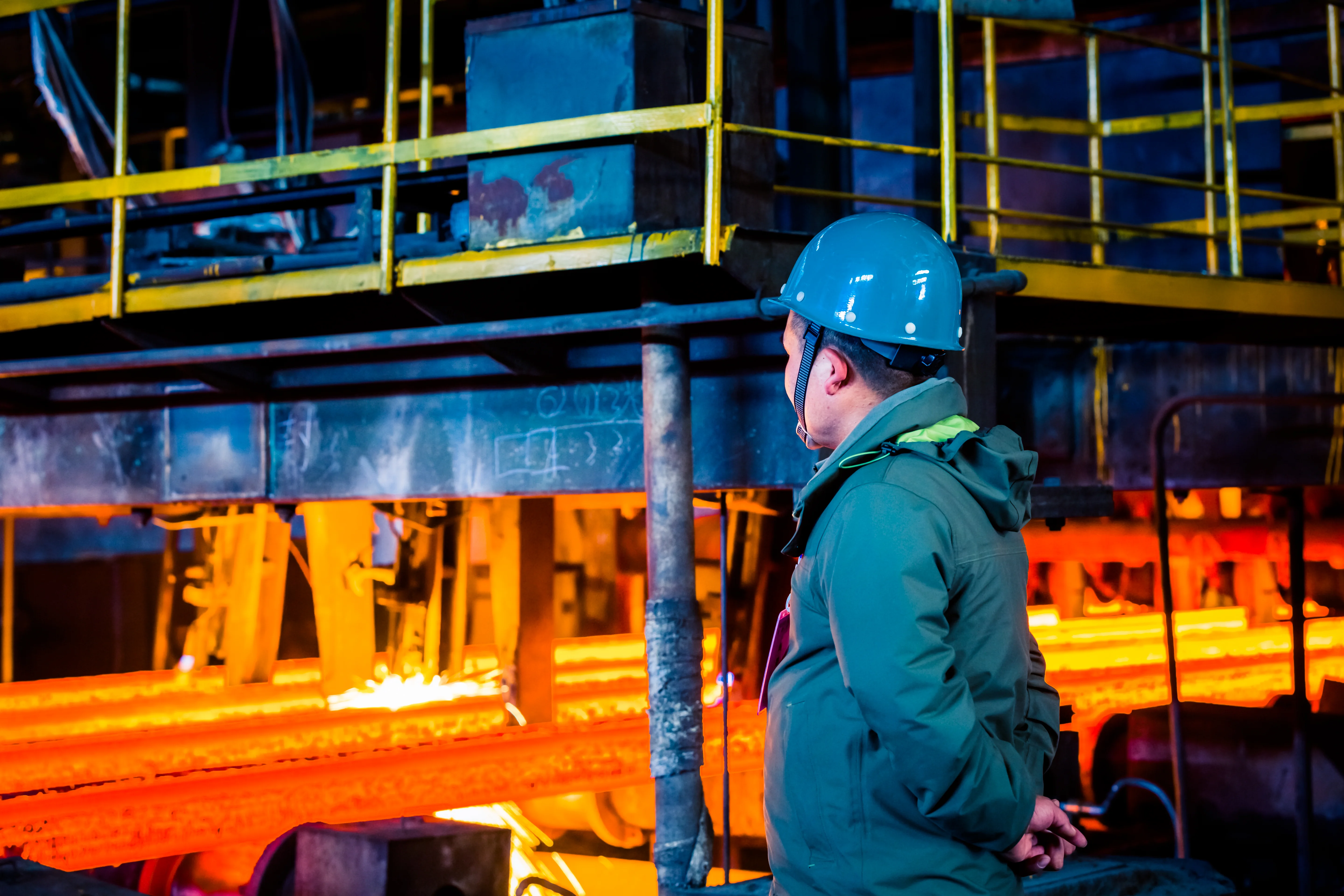
In-house and third-party laboratory testing ensures every batch meets specified grades before dispatch.
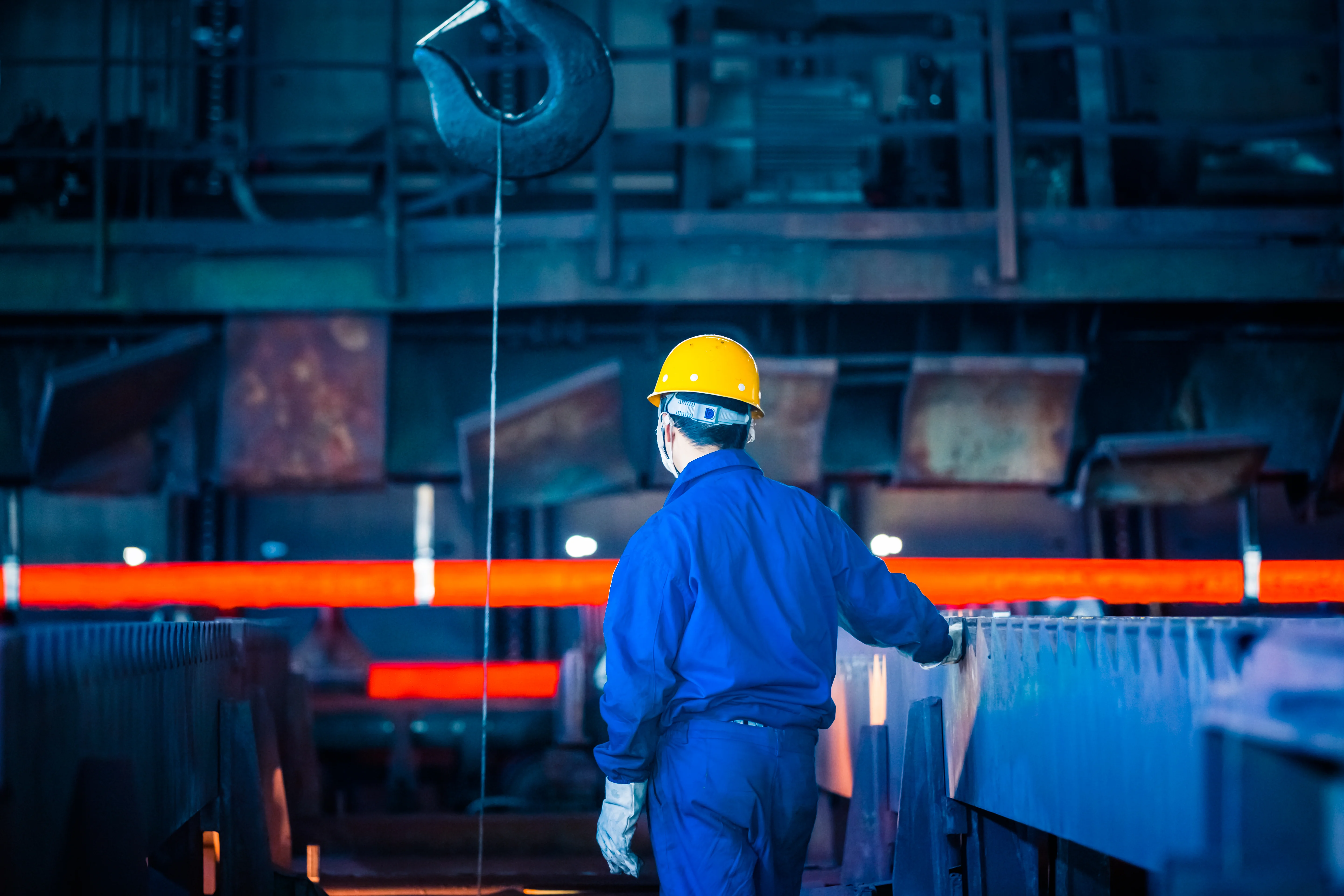
Mill test certificates and batch documentation travel with your order for audit-ready project records.

Weight, length, and section tolerances verified to align with IS standards and your project specifications.
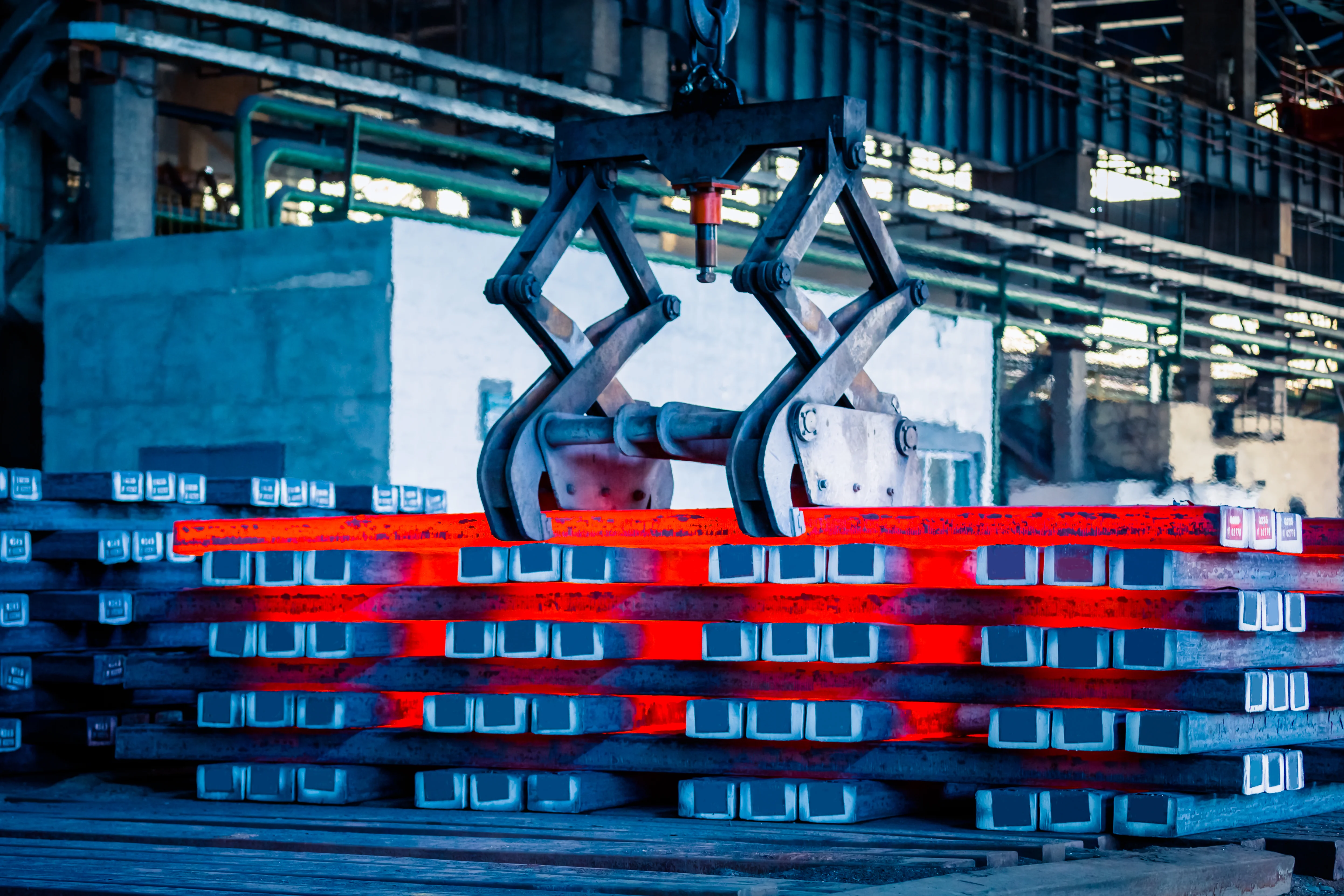
Documented loading, bundling, and transport practices protect product integrity from plant to site.
